 English
  Español
  français
  العربية
 Search
Search



6-Aminocaproic acid is used for surgical bleeding, obstetrics and gynecology bleeding, pulmonary hemorrhage, upper gastrointestinal bleeding, etc.
6-Aminocaproic acid can inhibit the activator enzyme of plasminogen, so that fibrinogen can not be activated as plasmin, thereby inhibiting the dissolution of fibriin and achieving hemostasis. 6-Aminocaproic acid is suitable for bleeding caused by primary or secondary hyperfibrinolysis, such as bleeding caused by severe infections, gynecological accidents, leukemia, malignant tumors and severe liver diseases, and other bleeding such as major surgical surgery, obstetric and gynecological bleeding, lung, upper gastrointestinal tract, prostate, liver, pancreas and other bleeding.
| Items | Specifications | Results |
| Appearance | White to light white crystalline powder | Conforms |
| pH | 7.5~8.0 | 7.7 |
| Sulfated ash | ≤0.1% | 0.07% |
| Residue on ignition | ≤0.1% | 0.06% |
| Loss on drying | ≤0.5% | 0.08% |
| Assay | 98.5~101.0% | 99.24% |
Welcome to inquire us to get the complete COA
| Product parameters | |
| Cas number: | 60-32-2 |
| Appearance: | White to light white crystalline powder |
| Purity: | 98.5~101% |
| Package details: | 25kg/drum |
| Brand: | Fortunachem |
6-Aminocaproic acid (also known as ε-aminocaproic acid or EACA) is a lysine analog and a fibrinolytic inhibitor—a compound that helps prevent the breakdown of blood clots. Its chemical formula is C₆H₁₃NO₂, and it is a white, crystalline powder that is soluble in water.
Mechanism of Action
6-Aminocaproic acid works by inhibiting plasminogen activation, thereby reducing the formation of plasmin, the enzyme responsible for breaking down fibrin clots. By blocking this process, EACA helps stabilize blood clots and reduce bleeding.
Primary Medical Uses:
Treatment and Prevention of Excessive Bleeding:
Used in conditions involving hyperfibrinolysis (excessive clot breakdown), such as:
After cardiac surgery or prostate surgery
In liver disease
During trauma or massive transfusion
Dental Procedures in Patients with Bleeding Disorders:
Helps control bleeding in people with hemophilia or other coagulopathies during minor oral surgeries.
Hereditary Angioedema (off-label use):
Sometimes used to reduce the frequency and severity of swelling attacks, though not a first-line therapy.
Menorrhagia (heavy menstrual bleeding):
Occasionally prescribed off-label for acute management.
Administration:
Available orally (tablets) or intravenously (IV infusion), typically in hospital settings for acute bleeding.
Safety Considerations:
Contraindicated in patients with disseminated intravascular coagulation (DIC) or active thromboembolic disease.
Potential side effects: nausea, hypotension, muscle weakness, seizures (especially with high IV doses), and increased risk of blood clots.
Should be used cautiously in patients with kidney impairment, as it is excreted renally.
In summary, 6-aminocaproic acid is a valuable antifibrinolytic agent primarily used to control or prevent bleeding in specific clinical situations where excessive clot dissolution is a concern.


Used in biochemical research, hemostatic agent and organic Synthesis.

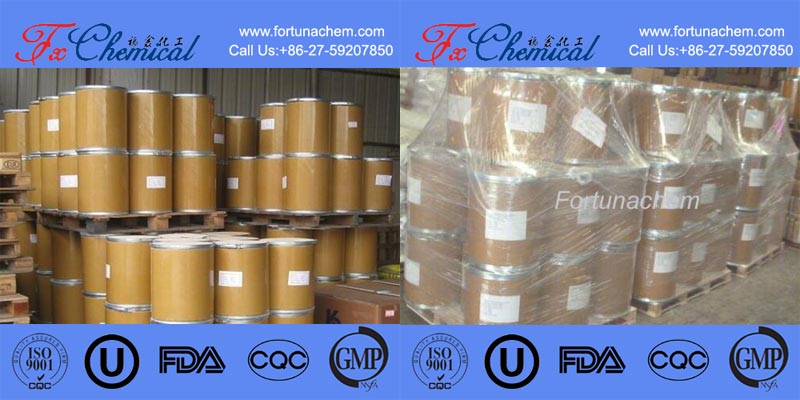

Fortunachem Provides Not Only Professional Chemical Products But Also Professional Help
Keeping you up-to-date with all the latest information, news, and events about Fortunachem!



Quick Links
Add:
E-mail:
 中文
中文