 English
  Español
  français
  العربية
 Search
Search



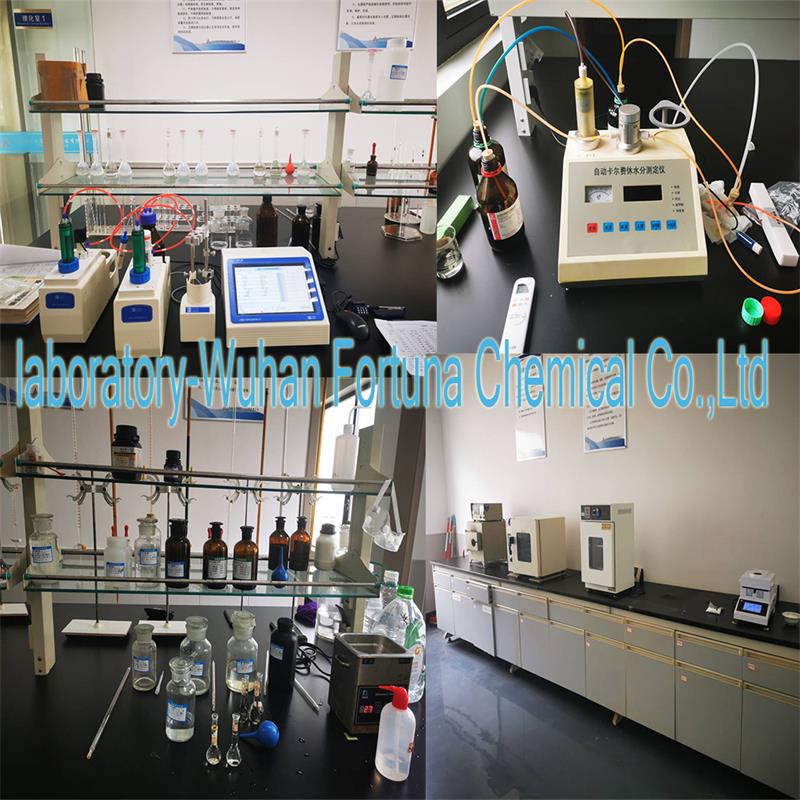

Benserazide hydrochloride is used as a decarboxylase inhibitor. As an AADC inhibitor in combination with levodopa, benserazide hydrochloride can inhibit the conversion of levodopa to dopamine in the periphery, thereby increasing the amount of levodopa entering the brain and effectively improving Parkinson's disease symptoms.
Items | Specifications | Results |
Appearance | A white or yellowish-white or orange-white,crystalline powder | Yellowish-white crystalline powder |
Solubility | Freely soluble in water,Very slightly soluble in anhydrous ethanol,Practically insoluble in acetone. | Complies |
Identification | A:IR Should be identical to that of RS B:Chlorides Should be comply | Identical to that of RS Complies |
Appearance of solution | Solution S is clear and not more intensely coloured than reference solution BY6 | Complies |
PH | 4.0 to 5.0 | 4.6 |
Related substances Impurity A Impurity B Impurity C Unspecified Impurity,each Sum of Impurities Other Than A | Not more than 0.5% Not more than 0.5% Not more than 0.5% Not more than 0.10% Not more than 1.0% | 0.09% 0.23% UDL 0.03% 0.34% |
Sulfated ash | 0.05% | |
Heavy metals | Not more than 20ppm | <20ppm |
Water | Not more than 1.0% | 0.61% |
Assay (on the anhydrous basis) | Between 98.5% and 101.0% | 100.2% |
Residual solvents Methanol Ethanol | Not more than 3000ppm Not more than 5000ppm | 1435ppm 174ppm |
Conclusion | The product conforms to the above specifications. | |
| Product parameters | |
| Cas number: | 14919-77-8 |
| Appearance: | White or off-white crystalline powder |
| Purity: | 98.5~101% |
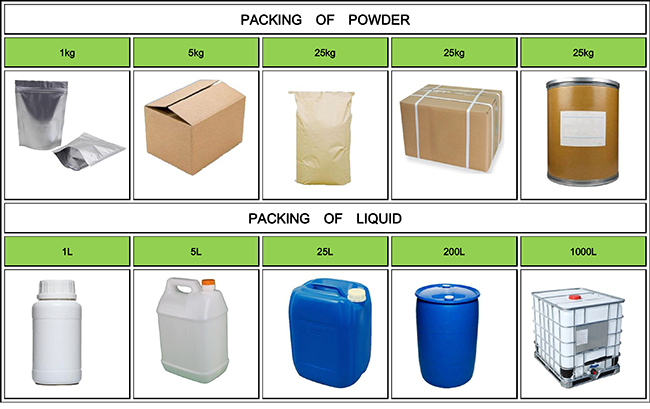
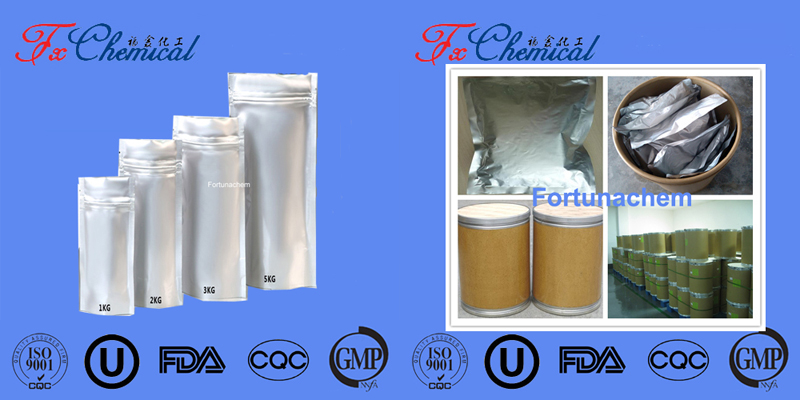
| Package details: | 1kg/foil bag; 25kg/drum |
| Brand: | Fortunachem |
Benserazide hydrochloride is a synthetic drug used exclusively in combination with Levodopa (L-Dopa) for the treatment of Parkinson's disease. It is not effective on its own.
Benserazide is a peripheral aromatic L-amino acid decarboxylase inhibitor (AAD inhibitor). In simple terms, it blocks an enzyme (decarboxylase) outside the brain, primarily in the digestive system and bloodstream.
Its sole, crucial use is to enhance the effectiveness of Levodopa, the primary medication for Parkinson's. Here’s how the combination works:
The Problem: Levodopa is the precursor to dopamine, which is deficient in the brains of Parkinson's patients. However, when taken alone, most Levodopa is converted into dopamine in the periphery (before it reaches the brain). This causes two major issues:
Reduced Efficacy: Less Levodopa crosses the blood-brain barrier.
Increased Side Effects: Peripheral dopamine causes nausea, vomiting, and heart rhythm disturbances.
The Solution (Benserazide's Role): Benserazide blocks the peripheral conversion of Levodopa to dopamine. This allows:
More Levodopa to reach the brain.
Lower doses of Levodopa to be effective.
Significantly fewer peripheral side effects (especially nausea).
Benserazide is always combined with Levodopa in a fixed-dose formulation. A common ratio is 1 part Benserazide to 4 parts Levodopa (e.g., 25 mg/100 mg). It is marketed under brand names such as Madopar® or Prolopa®.
Does not cross the blood-brain barrier: It only acts in the body's periphery, so it does not interfere with the desired conversion of Levodopa to dopamine in the brain.
Always combined: It is never prescribed as a standalone medication.
Core Parkinson's therapy: This combination (Levodopa + an AAD inhibitor like Benserazide or Carbidopa) remains the gold-standard, most effective symptomatic treatment for Parkinson's disease.
In summary, Benserazide hydrochloride is a critical "helper" drug that makes the primary Parkinson's medication (Levodopa) more effective and tolerable by preventing its breakdown in the body before it can reach the brain.


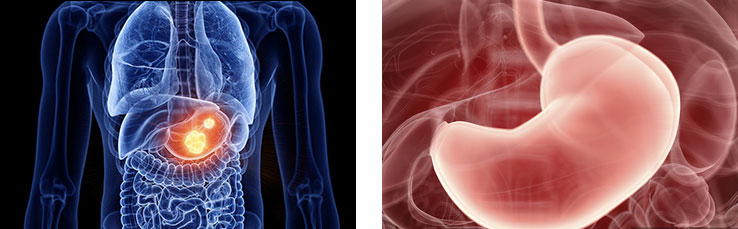
Used as antiparkinsonian; A peripheral decarboxylase inhibitor.

Fortunachem Provides Not Only Professional Chemical Products But Also Professional Help
Keeping you up-to-date with all the latest information, news, and events about Fortunachem!



Quick Links
Add:
E-mail:
 中文
中文